

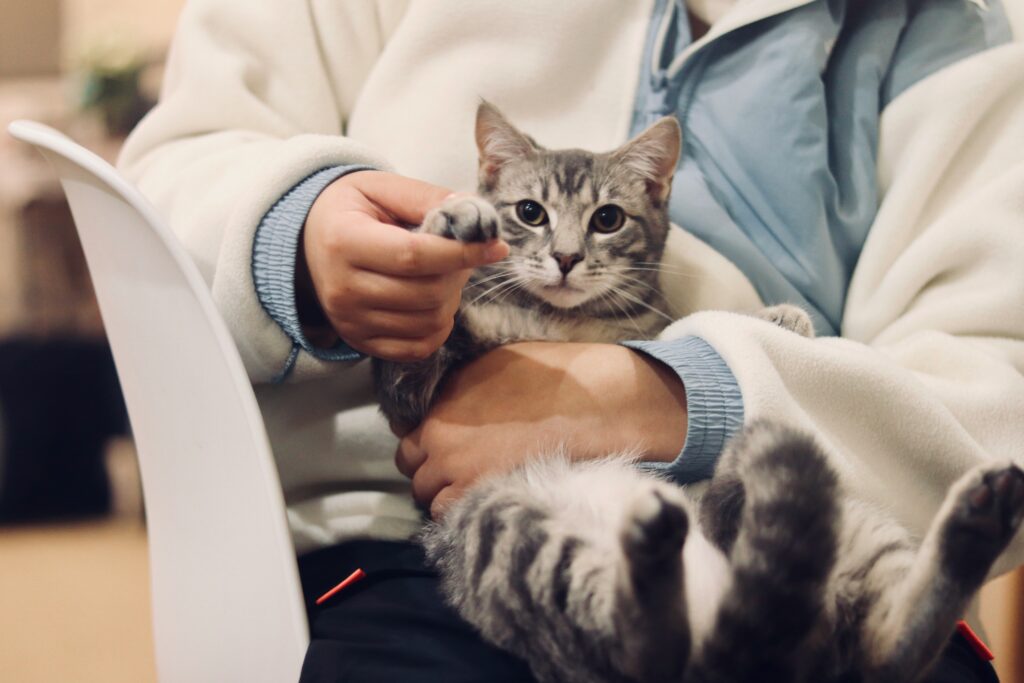
Running a veterinary practice comes with some heavy responsibilities. While general commercial businesses must remain clean and sanitary, animal hospitals welcome countless sources of germs through their doors on a daily basis. Every exam brings in roaming pets who track in outdoor bacteria, hair, dirt, and fleas from their furthest adventures. Without maintaining a proactive pest prevention program, your hospital will fall vulnerable to parasites and rodents that wreak havoc on inventory and stress your furry patients.
Common pests found in veterinary hospitals | Areas pests like to hide
Animal hospitals are particularly susceptible to flea infestations, cockroaches, flies, mice, and rats. Frequent visitors allowing outdoor critters inside and storing large bags of pet food and organic garbage provides pests endless ways to sneak inside through tiny spaces.
Animals Carried In By Patients
Veterinary clinics invite countless bugs and ticks inside every day with your patients. Fleas and ticks cling onto fur and favorite waiting room rugs, tiny spaces between floorboards, and kennels provide the ideal environment for these pests to multiply. Ticks also make their way inside through a patient’s fur during warmer months after hiding in grassy areas or wooded parks.
Food Sources & Organic Liquids
Roaches and flies converge on any moisture source or organic debris inside your clinic. These pests land on open wounds, surgical equipment, and tabletops transporting dangerous pathogens on their legs.
Pets Food & Garbage
Rodents travel to your hospital driven by your stockpile of premium pet food, prescription diets, and diagnostic trash. Dumpster areas and pet food bags are especially attractive as mice can fit through small openings around exterior windows chewing through cardboard bags and gnawing on insulation to create nesting spots.
Types of pests common in veterinary clinics
| Pest | What Attracts Them | How They Affect Your Business |
| Fleas | Pets | Infest kennels and waiting rooms |
| Ticks | Grass and pets | Spread disease to healthy animals |
| Roaches | Water leaks and food | Transmit bacteria to surgical tools |
| Flies | Pet waste and urine | Enter open wounds, pollute examination rooms |
| Rodents | Garbage and pet food | Chew through cords, spread Salmonella |
Do Bugs Hurt My Patients? | Why Pest Control is Important
Yes. Bugs can harm your animal patients by transferring blood borne parasites, severe illness, painful skin conditions, and increasing the risk of secondary infection in sick animals.
Imagine discovering a flea or tick on your pet after they’ve spent time at the hospital. Not only is this embarrassing, but it puts any injured pets at major risk for intense physical discomfort. Fleas can cause allergic reactions that make it difficult for animals to recover from surgery or longterm illness. After a flea bite, pets can experience flea allergy dermatitis which creates unbearable itching that leads to self-inflicted wounds.
Ticks are equally concerning as they expose your patient to deadly blood-born pathogens. Animals can contract Lyme disease from a single tick which causes grave health conditions if left untreated. Cockroaches and rodents also spread serious diseases that can linger in your clinic, affecting healthy pets who come in for annual checkups.
Veterinary offices need pest control | Prevent pest infestations
Veterinary offices need commercial pest control to keep sick patients from obtaining secondary diseases, protect sterile work environments, remain compliant with city health codes, and earn the trust of pet parents.
You expect your animal hospital to be sanitary and totally safe for your animals. If you spot an ant crawling across the exam table or roaches near the checkout desk, you’ll worry about your pet being there. Not only does seeing pests ruin your experience, but it ruins your overall opinion of the facility. A few negative reviews on Facebook can decimate your brand’s credibility overnight.
Commercial pest control for vet offices creates a protective barrier that says you care about your patients. Implementing a strong pest prevention plan demonstrates your commitment to providing the best care possible by keeping your facility safe and sanitary. Your customers will appreciate that you’re going above and beyond to care for their family.
How To Keep Your Veterinary Clinic Clean | Pest Prevention Tips
Practice proper sanitation by storing all pet food in sealed plastic containers, cleaning examination tables after each pet, washing all kennel covers in hot water, and sealing any holes from the outdoors.
Keeping your hospital sanitary should be your first step to preventing a pest invasion. Remove all recyclable food bags from open shelves and store them inside heavy plastic tubs with locking lids. Clear food smells attract rodents and ants if the bags are left ripped open.
Next, hold your staff accountable to a cleaning standards policy. Wipe down exam tables, countertops, and floors after each patient with an EPA-approved hospital disinfectant. Take out your indoor trashcans several times a day, and position your outdoor dumpsters as far away from your facility as possible.
Cleaning Hacks For Busy Veterinarians
- Disinfect all surfaces after each patient.
- Seal all pet food in thick plastic bins with locking lids.
- Power wash outdoor dog kennels every week.
- Fill any holes that lead to the outdoors.
When Do I Need Commercial Pest Control? Veterinary Pest Prevention
Call a professional commercial pest exterminator when pest sightings occur frequently or you wish to establish a documented prevention plan that fits your business’ unique needs.
Daily cleaning will limit the attraction of pests to areas like the dumpster and kitchen. However, your employees can’t always inspect for tiny cracks in walls where pests like to nest. Additionally, spraying bugs with chemical solutions around your patients can harm their health. Many commercial sprays contain toxins that easily leak onto the floor or surfaces where pets walk.
A professional pest control technician knows how to apply pet-safe products around multiple animals. Our technicians offer pet-friendly pest control in Dallas tailored to your business by conducting a full inspection and creating a customized treatment plan. We pay attention to detail during our visits so you can trust your facility is pest-free between service dates.
Call Pest G.O.A.T.S | Commercial Pest Control for Veterinarians
Once pests invade your clinic, it can cause concern for your customers. Not only do pests feed on your leftovers and spread bacteria throughout your facility, but they also threaten your customers’ pets. With pets coming in and out of your clinic daily, it only takes one visitor with ticks or fleas to start an infestation. Pest control is necessary in veterinary clinics to ensure the safety of the patients who visit your clinic.
Here at Pest G.O.A.T.S. Pest Control, we want to make sure your pets stay safe from pests. We offer pet-friendly pest control in Dallas that is designed with your four-legged friends in mind. Our technicians take extra precautions when spraying around pets. Call Pest G. O.A.T.S. today and let our professionals help you with your pest control treatments.
Frequently Asked Questions
What bug do veterinarians worry about the most?
There are several pests that affect vet clinics but veterinarian’s worry most about fleas because they can make animals sick and annoy them.
How many times a year should I get my vet office sprayed for pests?
Most commercial businesses benefit from monthly pest control services. Because pests enter your hospital every time a patient walks through the door, monthly treatments prevent insects from gaining a foothold.
Can animals get diseases from pests?
Yes, pests spread deadly diseases to animals such as Lyme disease, bartonella, tapeworms, and salmonella.
Are there any pesticides that are safe to use around my pets?
Pesticides used around pets should have low toxicity or be applied in a way that your pets cannot contact. This includes rodent baits, gel baits, tamper resistant bait stations, and exclusion.