

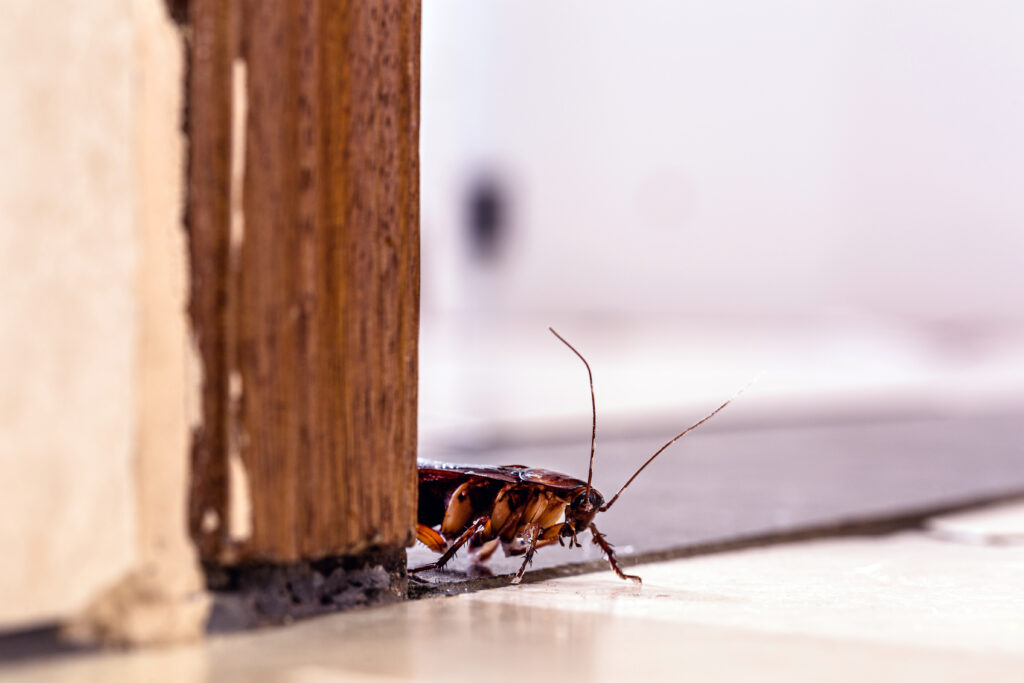
As the temperature drops and the days grow shorter, we naturally retreat indoors to the comfort of our warm homes. We envision cozy evenings by the fire, holiday gatherings, and escaping the biting cold. Unfortunately, we aren’t the only ones with this idea. The winter months trigger a migration for many pests, but few are as persistent and unwelcome as the cockroach. While many people associate bug problems with the heat of summer, the reality is that winter can be a prime season for cockroach infestations.
At Pest G.O.A.T.S. Pest Control, we know that the sight of a cockroach scuttling across your kitchen floor is enough to ruin anyone’s peace of mind. But beyond the “ick” factor, these resilient pests pose genuine health risks to your family and pets. They carry pathogens, trigger allergies, and contaminate food sources. The warmth, moisture, and food abundance inside your home create the perfect ecosystem for them to thrive while the outside world freezes.
Today, let’s explore exactly why cockroaches target your home in the winter, the specific species you need to watch out for, and the actionable steps you can take to fortify your defenses. We will walk you through a complete exclusion strategy, sanitation best practices, and why professional intervention is often the difference between a minor nuisance and a full-blown cockroach infestation. Let’s ensure your home remains a sanctuary for your family, not a winter resort for roaches.
Understanding Winter Roaches | Why They Invade
To defeat the enemy, we must first understand their motivation. Cockroaches are cold-blooded (poikilothermic) organisms. This means they cannot regulate their own body temperature; they rely on their environment to survive. When outdoor temperatures plummet, their metabolism slows down. If they stay outside in freezing conditions, many species will die. However, they are master survivors. They detect the heat leaking from our windows, doors, and vents, and they follow those thermal cues directly into our living spaces.
The Search for The “Big Three”
Cockroaches enter your home looking for three specific things, all of which are abundant during the winter months:
- Warmth: Your heating system keeps your home at a tropical temperature relative to the outdoors. Wall voids, areas behind appliances, and attics provide the consistent heat they need to breed.
- Moisture: Winter air is dry, but our homes are humidified by showers, cooking, and sometimes designated humidifiers. Cockroaches are highly susceptible to desiccation (drying out). They gravitate toward bathrooms, basements, and laundry rooms where moisture levels are higher.
- Food: During winter, natural outdoor food sources (decaying organic matter) are scarce or frozen. Your pantry, garbage cans, and even the crumbs under the toaster offer an unlimited buffet.
Identifying the Culprits
Not all roaches are created equal. In the United States, we typically deal with a few specific invaders during the winter months.
The German Cockroach (Blattella germanica)
This is the most common indoor cockroach. They are small, light brown, and have two dark stripes on their back. The scary reality of the German cockroach is that they are almost exclusively indoor pests. If you see them in winter, they didn’t just wander in; they are likely breeding inside. They prefer warm, humid environments like kitchens and bathrooms.
The American Cockroach (Periplaneta americana)
Often called “water bugs” or “palmetto bugs,” these are the large, reddish-brown giants of the roach world. They usually live outdoors in sewers or mulch but will migrate inside aggressively when the temperature drops. They are commonly found in basements, crawl spaces, and around floor drains.
The Oriental Cockroach (Blatta orientalis)
These are dark brown or black and appear somewhat shiny. They love cool, damp areas. In winter, you will often find them in basements or near plumbing leaks. They are notoriously filthy, often traveling through sewer pipes to enter homes.
Fortifying Your Perimeter | Exclusion Tactics
The best offense is a good defense. Scheduled cleaning and exclusion is the process of physically blocking pests from entering your home. It requires a keen eye and a bit of diligence, but it is one of the most effective ways to keep cockroaches out. We recommend conducting a thorough exterior and interior audit of your home before the first hard freeze.
Sealing Cracks and Crevices
Cockroaches are anatomically designed to flatten their bodies. A full-grown cockroach can squeeze through a crack as thin as a quarter.
- Foundation Check: Walk the perimeter of your house. Look for settling cracks in the foundation or gaps where the siding meets the foundation. Use a high-quality silicone or polyurethane caulk to seal these gaps.
- Utility Penetrations: Check where pipes, gas lines, and electrical cables enter your home. These holes are often cut larger than the pipe itself, leaving a highway for pests. Stuff these gaps with copper mesh (which roaches cannot chew through) and seal them with expanding foam.
- Weep Holes: Brick homes have weep holes at the bottom of walls to let moisture escape. You cannot seal these completely, or you will cause mold issues. However, you can install custom weep hole covers or insert stainless steel wool that allows airflow but blocks insect entry.
Weatherstripping and Door Sweeps
If you can see light coming through the bottom or sides of your exterior doors, a cockroach can get in.
- Door Sweeps: Install heavy-duty bristle or rubber sweeps on all exterior doors. Ensure they make contact with the threshold.
- Garage Doors: The rubber seal at the bottom of your garage door often becomes brittle and cracks in the cold. Replace this seal if it shows signs of wear. The garage is often the first landing zone for roaches before they move into the main house.
- Windows: Check the weatherstripping around sliding glass doors and windows. Replace any felt or rubber that has compressed or rotted.
Interior Defense | Sanitation and Moisture Control
Once you have secured the perimeter, you must turn your attention inward. If a cockroach manages to breach your walls, you want to make your home as inhospitable as possible. This means removing the resources they need to survive.
The Kitchen Audit
The kitchen is the heart of the home, but it is also the headquarters for most cockroach infestations.
- Appliance Deep Clean: Pull your stove and refrigerator away from the wall. You will likely find months (or years) of grease, crumbs, and dust. This is prime real estate for German cockroaches. Vacuum and scrub these areas thoroughly.
- Countertop Vigilance: Do not leave food out overnight. Store fruit in the fridge rather than in bowls. Wipe down counters to remove invisible grease splatters from cooking.
- Pantry Protection: Transfer loose food items—like flour, sugar, and cereals—into airtight plastic or glass containers. Cardboard boxes offer zero protection; roaches can chew through them and even lay eggs in the corrugated folds.
Managing Moisture
As we mentioned, roaches need water. In winter, your home might be the only water source for miles.
- Fix Leaks: A dripping faucet or a leaky pipe under the sink provides a 24/7 water station for pests. Fix these immediately.
- Ventilation: Ensure your bathroom fans are working correctly to pull out humidity after showers.
- Basements and Crawl Spaces: If these areas are damp, consider installing a dehumidifier. Keeping the relative humidity below 50% makes the environment difficult for roaches to survive in.
Decluttering
Cockroaches are thigmotactic, meaning they like the feeling of contact on all sides of their body. Clutter provides thousands of these safe harborages.
- Cardboard Boxes: We strongly advise against using cardboard boxes for long-term storage in attics or basements. Cockroaches love the glue used in cardboard and the shelter the corrugation provides. Switch to plastic bins with tight-fitting lids.
- Newspapers and Magazines: Piles of paper are excellent hiding spots. Recycle them regularly.
The Danger of DIY Solutions
When homeowners spot a roach, the instinct is often to run to the hardware store for a can of spray or a “bug bomb.” We understand the urgency, but we must warn you about the limitations and dangers of DIY cockroach control.
The Resistance Problem
German cockroaches, in particular, reproduce incredibly fast. A single female can produce hundreds of offspring in a year. Because of this rapid turnover, they develop resistance to common pesticides very quickly. The over-the-counter sprays available to consumers often contain pyrethroids that many roach populations are already immune to. You might kill the ones you see, but you aren’t touching the nest hidden in the wall.
The Repellent Effect
Many consumer sprays act as repellents. While this sounds good, it can actually make the problem worse. When you spray a repellent in the kitchen, you might scatter the roaches into the bedrooms, living room, and walls, effectively spreading the cockroach infestation throughout the entire house rather than eliminating it.
Safety Concerns
“Bug bombs” or foggers are rarely effective against roaches because the pesticide settles on surfaces rather than penetrating the deep cracks and crevices where roaches hide. Furthermore, these products coat your countertops, children’s toys, and furniture in pesticide residue.
Why Professional Pest Control Matters
This is where the difference between “trying” and “succeeding” lies. At Pest G.O.A.T.S. Pest Control, we approach cockroach control with a scientific methodology that goes far beyond spraying chemicals.
The Inspection Phase
Our technicians are trained to think like a cockroach. We don’t just look at the floor; we look at the hinge of the cabinet door, the motor of the refrigerator, and the junction box of the electrical outlet. We identify the species, which dictates the treatment plan. Treating for American roaches (which come from outside) is vastly different than treating for German roaches (which live inside).
Integrated Pest Management (IPM)
We utilize Integrated Pest Management (IPM). This is a holistic strategy that combines baiting, growth regulators, and physical removal.
- Baiting: We use advanced gel baits that cockroaches eat and return to the nest to share. This “domino effect” allows us to eliminate roaches we can’t even see.
- Insect Growth Regulators (IGRs): These are compounds that stop juvenile roaches from becoming adults. If they can’t become adults, they can’t reproduce. This breaks the life cycle and ends the infestation.
- Dusts and Residuals: We apply long-lasting treatments into wall voids and plumbing penetrations where they remain active against pests for months.
Monitoring and Follow-Up
Cockroach control is rarely a “one and done” event, especially with severe cockroach infestations. We monitor the activity levels and adjust our strategy as needed. We provide you with a detailed report of what we found and what you can do to prevent re-entry.
Call on the Pest G.O.A.T.s This Winter
Winter should be a time of relaxation, family, and warmth — not a battle against six-legged invaders. While the cold weather drives cockroaches toward your home, you are not defenseless. By understanding their behavior, fortifying your home’s exterior, and maintaining strict sanitation standards, you can significantly reduce the risk of an invasion.
However, if you spot the warning signs — fecal droppings resembling pepper, egg casings, or live roaches — do not wait. Cockroach populations grow exponentially. What starts as two roaches in November can become hundreds by January.
At Pest G.O.A.T.S. Pest Control, we take pride in being the Greatest Of All Time when it comes to protecting your home from unwanted pests. We combine years of cockroach pest control experience with cutting-edge technology to deliver results that store-bought sprays simply cannot match. We don’t just kill bugs; we give you back your home.
Don’t let roaches ruin your winter.
If you suspect activity or want to set up a preventative winter perimeter, partner with the experts. Contact Pest G.O.A.T.S. Pest Control today to schedule your comprehensive winter inspection. Let us handle the pests so you can handle the holiday cheer.
Frequently Asked Questions About Cockroaches
Q. Why do I see more large cockroaches inside during the winter?
Large cockroaches, like the American Cockroach, typically live outdoors. When temperatures drop, they seek warmth and moisture to survive. Your home acts as a heated shelter. They often enter through drains, garage doors, or loose weatherstripping. Seeing them usually indicates an entry point issue rather than an internal sanitation issue.
Q. Will the cold weather eventually kill the roaches in my house?
No. Once cockroaches are inside your home, they are protected from the freezing temperatures outside. Your home’s thermostat keeps the environment perfect for them to survive and breed all winter long. You cannot “freeze them out” without freezing yourself out as well.
Q. How do I know if I have a German cockroach infestation?
German cockroaches are small (about half an inch long) and light brown. You will typically see them in the kitchen and bathroom. Signs of an infestation include finding droppings that look like black pepper grounds in drawers, seeing egg cases (oothecae), or detecting a musty, oily odor in the room. If you see one during the day, it usually indicates a severe population is hiding just out of sight.
Q. Are the baits sold in stores effective for winter roach control?
Store-bought baits can have limited success, but they often fail for two reasons: resistance and placement. Many roach populations are resistant to the active ingredients in consumer baits. Additionally, if the bait isn’t placed in the exact harborage areas, roaches may ignore it. Professional baits use higher-grade attractants and active ingredients that are rotated to prevent resistance.