

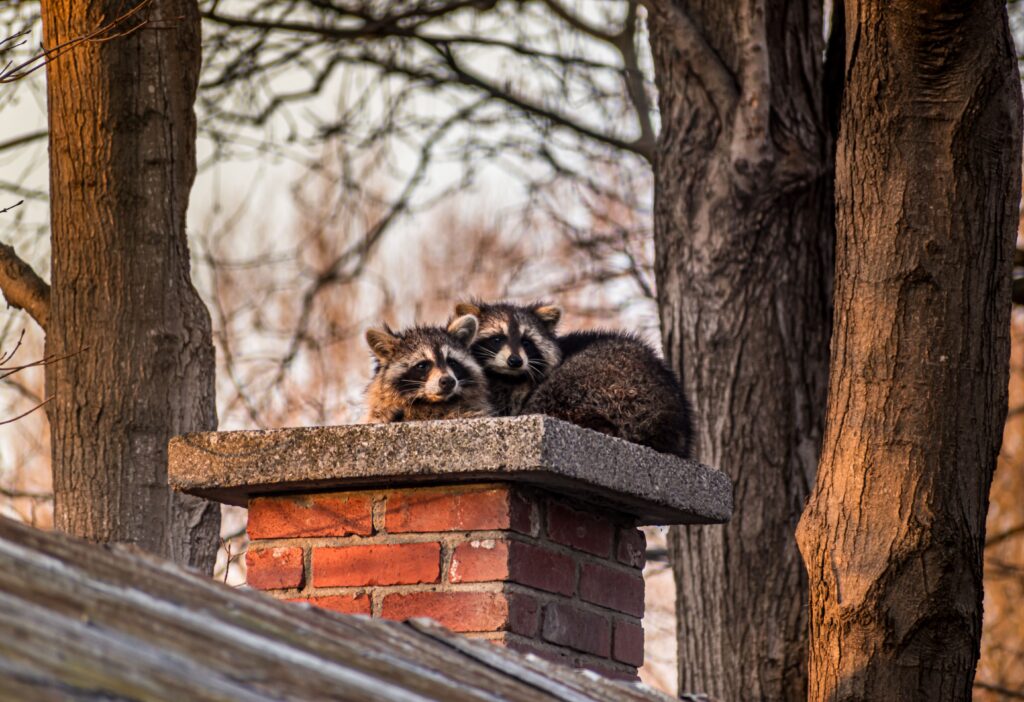
A loud commotion coming from above your ceiling in the middle of the night can signal that you have a wild animal living in your attic. Learning how to get rid of raccoons in your attic fast is vital since these intelligent mammals can do extreme damage to your house and threaten your family’s well-being.
Smart, strong, and resourceful animals invade many North Texas homes each year after losing their natural habitat to urban sprawl. When these mammals find a loose soffit or ripped roof vent, your attic turns into a cozy den susceptible to massive wildlife damage. The longer you wait to remove attic raccoons, the more it will cost you to repair electrical wiring, ductwork, insulation, and the introduction of harmful bacteria into your home.
Why Do I Have Raccoons In My Attic?
Animals choose attics because they provide insulation from the weather, escape from predators, access to easy food sources, and comfortable nesting locations up and away from ground-level threats. Mother raccoons see your attic as a perfect place to raise their young kits safely.
Humans accidentally invite wild animals into their homes by giving predators an abundant food supply. Easily accessible trash cans, open pantry doors, backyard bird feeders, and pet food dishes attract hungry wildlife. Homeowners living near wooded areas are highly susceptible to wildlife damage since adjacent trees allow animals to jump directly onto your roof.
Top Reasons Animals Invade Homes
- Warm places to sleep during bad weather
- Protection from rain, snow, and hot summer temperatures
- Areas safe from predators to raise offspring
- Trees offering direct access onto your roof
Wildlife Removal Signs and Symptoms
| Point of Entry | How They Entered | Signs of Damage | Prevention Tip |
|---|---|---|---|
| Roof Vents | Removing or ripping cage covers off | Bent vent louvers or hanging mesh screen | Install heavy-gauge steel roof vent covers |
| Soffit & Fascia Boards | Pushing up loose panels | Sagging or ripped-off vinyl pieces | Use stainless steel screws & hardware cloth |
| Chimneys | Climbing down chimney flues | Scratching sounds around fireplace walls | Buy commercial chimney cap from hardware store |
| Gable End Vents | Tearing through vent screens | Holes in window screen or wood slats | Install metal mesh backing on both sides |
Signs Your Attic Has Unwanted Guests
The biggest signs of raccoons in attic spaces are audible heavy footsteps after dark, ammonia odors caused by urine and feces, damaged roof vents, and missing ceiling insulation. Catching wildlife damage quickly will save you money since these critters keep concealed during daylight hours. Listen for telltale noises or stare up at your attic ceiling to spot them coming and going throughout the night.
How Can I Tell If It’s Raccoons?
Their size and behaviors set raccoons apart from other attic invaders. Raccoons range from ten to twenty pounds of blunt force, so they don’t scamper across your attic ceiling—they stomp!
Expect to hear loud footsteps, scratching, rustling, or animal cries after sunset when these creatures come alive. These animals love to tear up your attic insulation to stay warm and mark their territory with urine. As rainwater percolates through raccoon feces and urine trapped inside insulation, it leaks animal droppings onto your bedroom floor.
Do I Have Other Animals In My Attic?
What’s living in your attic?
When do you typically hear noise above your ceiling?
How loud are the animals walking?
Health Risks Associated With Wildlife
Wild animals can make your family sick by spreading bacteria, parasites, and viruses while living in your attic. The size and severity of an infestation often determine how you handle removing wildlife from your home. In most cases, professional wildlife removal services are the safest way to deal with wild animals in residential areas.
Why Are Raccoons Bad for Your House?
These mammals ruin insulation, rip up HVAC ducting, bite into electrical cables, and leave disgusting parasites behind once they move out. Wildlife comes equipped with claws and teeth designed to tear apart anything standing in their way. Failing to remove pests from your attic will increase maintenance costs on your home.
Do Attics With Raccoons Lead to Fire Hazards?
Raccoons love to chew on soft materials, which often include your home’s electrical wires. Exposed wiring increases your family’s risk of surviving a house fire. Imagine being asleep at night and smelling your attic catching fire!
Can Raccoons Spread Disease to Humans?
Tiny parasites and bugs make your pets and children sick by biting or hitching a ride on clothing. Raccoons carry Baylisascaris procyonis, a raccoon roundworm that makes humans very ill after coming into contact with an infected animal. Families with infants or pregnant women should immediately evacuate the property until professionals remove all raccoons from the attic.
Animal Droppings May Contain:
- Salmonella
- Leptospirosis
- Roundworm
- Rabies Virus
Steps to Remove Raccoons from Your Attic
Removing raccoons requires homeowners to locate where animals entered the house, remove food attractants from the yard, install DIY repellents, and call animal removal experts. Never try to handle wild animals yourself unless you have experience caring for sick wildlife.
1. Locate the Holes Animals Are Using to Enter Your House
Search your roofline for damaged ridge caps, holes near attic vents, or ripped fascia boards. Use binoculars to scan from the ground and climb on the roof to investigate large birds’ nests. Conduct a physical search around the roof perimeter to spot fur, claw marks, or grease staining where wildlife rubs against your house.
2. Do Not Trap Alone
Simply setting a trap is not humane raccoon removal! Baby raccoons stay with mothers for up to six months, meaning you may trap the mother raccoon outside while babies slowly starve inside your walls. Secondary pest problems like flies and odor result from animal carcasses left inside the house.
3. Eliminate Outdoor Food Sources
Wildlife avoid homes with fewer food options. Put trash can lids back on tightly, cover outside pet food containers, and pick up spilled bird seed around your backyard. Remove natural food sources by keeping grapes or tomatoes harvested from garden trees.
4. Contact Animal Removal Professionals
Animal control companies like Pest GOATS Pest Control have expert teams on call that specialize in live-catching wild animals. Call our wildlife removal company in DFW, for professional animal removal.
5. Seal Your Home & Sanitize the Area
Install interior and exterior metal screening along entrance holes using galvanized screws. Place insulation in heavy plastic bags and discard with household garbage. Spray antimicrobial formulas on all attic surfaces to kill parasites and bacteria.
Wildlife Removal Service FAQs
Professional wildlife removal services from Pest GOAST Pest Control bring unique skill sets to each home. Our high success rate comes from inspecting homes thoroughly and using industrial-strength solutions.
How do Wildlife Removal Professionals Remove Animals from Your Home?
Our wildlife exclusion technicians inspect your roofline, attic, crawlspace, and property perimeter to find active entry points and check for mother raccoons with babies. They remove young animals manually and block access points using one-way doors that allow mammals to leave but cannot return.
Does Professional Wildlife Removal Cost a Lot of Money?
If animals caused extensive damage to your attic insulation, ductwork, or wiring, professional repair services may cost several thousand dollars. Many insurance companies cover attic raccoon removal under standard homeowner’s policies.
Speak with a representative from Pest GOATS Pest Control to inspect your house. Families that remove raccoons themselves risk being bitten or scratched by mothers with newborn babies.
Do Wildlife Control Companies Damage Your House?
A wildlife technician will not need to tear down walls to remove raccoons from your attic. Once families sign off on a damage inspection report, technicians outline how you can DIY repairs.
Should I Ignore Wildlife Living in My House?
Ignoring a wild animal problem will not make it go away. Wild animals breed rapidly, which means three baby raccoons will turn into six: the number of animals doubles with each birth cycle.
How Can I Prevent Future Animal Infestations?
Install micro-mesh screen barriers over vents, keep outdoor garbage secure, trim back tree branches from your roofline, and clean up leftover food sources. Wild animals search for homes that offer easy access and food, so take away these temptations.