

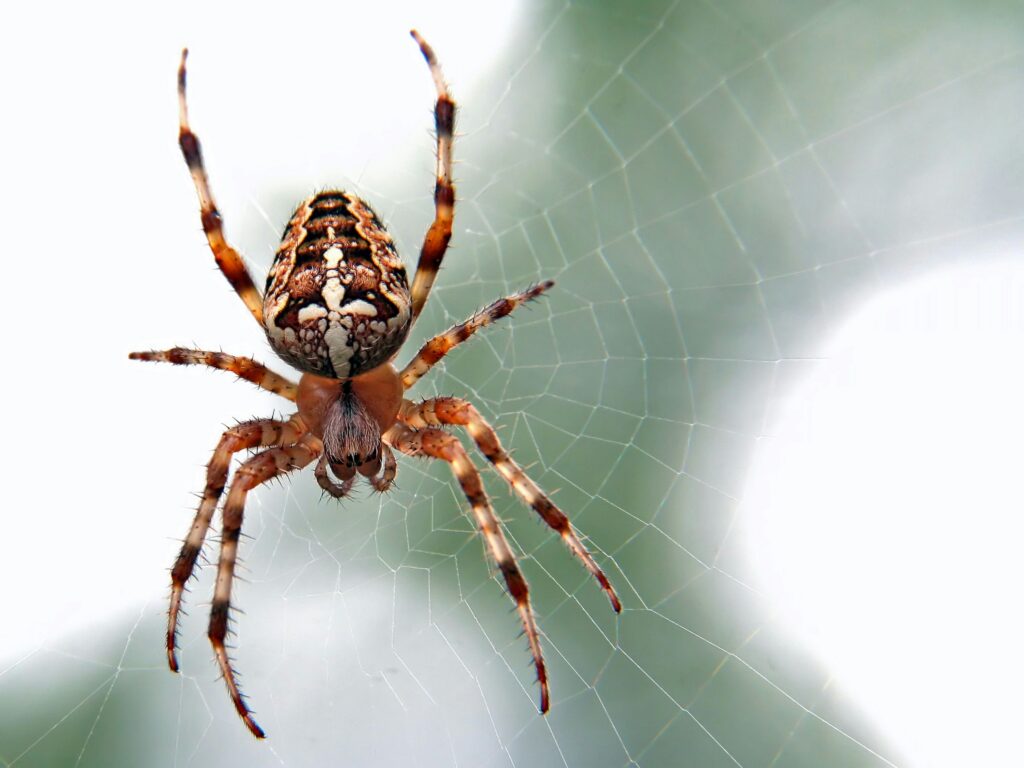
Running into a spider web in a dim corner of your garage or catching a glimpse of a fuzzy black shape darting across your living room floor can make even the most adventurous homeowner squeamish. North Texas’ favorable climate allows for a diverse array of creepy crawlies to call our state home, including plenty of spiders. While most arachnids are harmless and go about their business catching outdoor insects, occasional run-ins with venomous species can cause anxiety for you and your family. Learning which spiders are harmless house spiders and which species need Dallas spider control services will help you rest easy all year long.
What Spiders Are Common in Dallas TX? Identifying Texas Spiders
Whether your home is overrun with harmless common house spiders or dangerous black widows, it’s important to know how to identify each species properly.
There are quite a few spiders you’re likely to find crawling around North Texas, but understanding common traits can help you easily identify spiders in Dallas. Most dangerous spiders have a few obvious distinguishing features. The infamous brown recluse spider has a violin-shaped marking on the top of its body, while the black widow spider boasts a shiny black coat with a red hourglass-shaped marking on the underside of its abdomen.
Both dangerous spiders favor dark, secluded spaces with minimal disturbance; brown recluses prefer closets and cardboard boxes, while widows build messy, irregular webs in sheltered outdoor areas.
Thankfully, most of the spiders you find buzzing around your home won’t give you too much cause for concern. Wolf spiders are hairy spiders that lack the fine, silky strands most spiders use to catch their prey. Wolf spiders hunt by chasing down their victims on foot, which is why you often spot them darting across floors and windowsills.
Jumping spiders are compact hunters with keen eyesight, commonly seen trekking around in sunny patches on window sills. House spiders are the thin-legged nuisance spiders you usually find weaving intricate webs in undisturbed corners of your closets and garage.
| Spider Species | Physical Description | Hiding Spots | Medical Risk |
| Brown Recluse | Light brown with a violin mark on the back, 6 eyes | Closets, attics, cardboard boxes | High — Severe tissue damage |
| Black Widow | Shiny black, red hourglass on the underside of the abdomen | Porches, woodpiles, other dark voids | High — Neurotoxic venom |
| Wolf Spider | Large, hairy spider with a grey/brown camouflage pattern | Baseboards, doorways, and on floor levels | Low — Minor localized irritation |
| Jumping Spider | Tiny fuzzy spider with large front eyes | Window frames and other exterior walls | Low — Non-issue for humans |
| Common House Spider | Yellowish-brown spider with a tubular abdomen | ceiling corners, closets, and garages | Low — Non-issue for humans |
Are Dallas Spiders Poisonous? Venom Severity and Symptoms
The overwhelming majority of spiders native to our area are completely harmless and do not pose any medical risk to your loved ones. However, black widows and brown recluses inject venom when they bite, which requires professional medical attention.
Symptoms to watch for include intense swelling, pain, or spreading redness at the site of the bite. While any spider bite should have you scheduling a doctor’s appointment, bites from venomous spiders are urgent.
Skin discoloration or tissue damage that doesn’t improve within a few days is cause for concern. If you’ve been bitten by a brown recluse, you’ll notice the pain and irritation gradually worsen until the skin begins to turn dark brown. Since the venom affects your body’s cell growth processes, bites can take weeks to heal.
Black widow venom is neurotoxic, which means its bite causes intense muscular pain, abdominal cramps, nausea, and tremors. Swallowing antihistamine pills and keeping the bitten area clean can help speed up recovery, but medical attention should be sought right away.
What attracts spiders to my house?
There are four primary attractions that cause spiders to take up residence in our homes. Food, water, shelter, and our exterior lighting. The key to keeping spiders out is limitation.
A common denominator among all spider species is their need to eat. If you find yourself struggling with spiders in your house, chances are you have another insect problem. Flies, ants, silverfish, and crickets are spiders’ favorite foods. Eliminating their food source is the first step toward long-term spider infestation.
Outside of food, spiders need water to stay hydrated and dusty hideaways to stay safe from predators. If you have leaky pipes in your attic or basement, hang onto them. Spiders love the excess humidity found near rotten wood and moldy boxes. Cluttered bedrooms and storage sheds provide the perfect dark shelter that spiders seek out when moving indoors.
Lastly, do yourself a favor and switch your exterior white porch lights to yellow LEDs. Yellow lights are significantly less attractive to nighttime flying insects, which helps to prevent your entryways from becoming buffet lines for hungry spiders.
The damp paper towel test is helpful if you’re ever unsure whether the tiny dark specks on your baseboards are insects or not. Wax and debris from insects will turn pinkish-red when wiped with a damp white towel.
How Do I Prevent Spiders in My House? Steps to Preventative Treatment
Step 1: Deny Them Entry
Begin by sealing any gaps or holes you find on the exterior of your property. Use silicone caulk to fill cracks in your foundation, around window frames, and doorways. Repair damaged screens and install door sweeps on all your exterior doors.
Step 2: Limit Indoor and Outdoor Clutter
Depack your garage, remove excess storage from your attic, and wipe down your closets. Substitute your cardboard storage boxes for plastic containers that spiders cannot easily get into. Move your yard debris — piles of sticks, mulch, overgrown bushes — at least three feet from your home.
Step 3: Replace Your Lights Outside
Replace any white bulbs with yellow LED bulbs on your home’s exterior. Yellow lights deter nighttime insects from landing near your house, which limits the food supply around your front door.
Spider Control | Call the Professionals — Call Pest G.O.A.T.S
Spider control in Dallas has never been easier with the right help on your side. If you’re still feeling wary about sharing your home with stinging insects or have questions about keeping your family safe from venomous spiders, our pros are here to lend a hand. Pest G.O.A.T.S. Pest Control has served the DFW metroplex for over a decade. Not only do we specialize in Dallas spider control, but we also offer green yard care options and traditional indoor/outdoor pest control services. Give us a call today or visit us online for a free quote

Frequently Asked Questions
Q. What spiders are in Dallas?
There are over 50 different species of spiders in Texas. Inside homes, Dallas homeowners typically find common house spiders and wolf spiders.
Q. Are black widows found in Dallas?
Unfortunately, black widows can be found throughout all of Texas, including the Dallas area. Though rare, residents do come across widows regularly each year.
Q. Where do spiders hide in your house?
Closets, underneath beds, inside boxes, and in basements provide the perfect dark spots for spiders to rest safely during the day. Like most insects, spiders won’t come out to hunt while the sun is up.
Q. How do you get rid of spiders naturally?
Use vinegar, peppermint oil, or a store-bought lemon-scented repellent to ward off spiders in natural ways. Spiders hate the smell of citrus and will avoid sprayed areas.
Q. Will vacuuming up spiders kill them?
Spiders that are vacuumed up and disposed of outside will most certainly die. Spiders that are left inside, however, can crawl back out of your vacuum hose.