

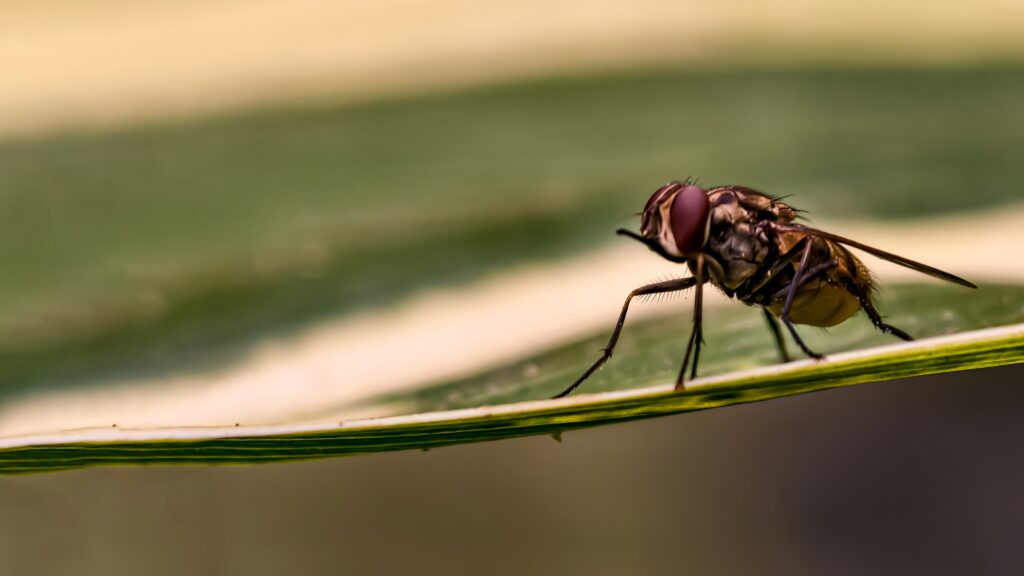
One lone fly can be pesky enough when you’re trying to focus in a room — but once that one fly turns into several dozen crawling across every surface, you’ve got an infestation problem.
Fly infestations develop rapidly — they can practically go from nonexistent to out of control overnight. If you want to prevent bugs from taking over your property, it helps to know exactly what causes these insects to appear seemingly out of nowhere.
North Texas provides the perfect climate for flies thanks to our unique environmental conditions, urban/suburban densities, excessive heat, and busy commercial corridors. Though they are just a nuisance when spotted one-by-one, these insects can carry dangerous bacteria and contaminate your food preparation areas. Once you start to notice activity increasing around your property, it’s important to act quickly. An unsanitary nuisance can quickly turn into a health hazard within just a couple of days.
Learn What Causes Fly Infestations
So what causes fly infestations? Let’s first identify what attracts these insects to your property in the first place. Flies exist to survive, so they will hunt down three things: food waste, concentrated moisture, and favorable breeding areas.
- Food Waste: Food leftovers, beverage spills, grease dumped down the drain, etc., will produce strong odors that attract flies from far away.
- Moisture: Standing water is another attractant since it not only serves as a convenient water source, but also provides a breeding location for eggs to be deposited. Gutters clogged with rainwater, leaky outdoor faucets, and lawns that do not drain properly are just a few examples.
- Dumpsters, leaves, grass clippings, and mulched beds: All these organic materials can attract a variety of fly species if not cleaned regularly.
- Bins with loose-fitting lids: Think of this as an open invitation for adult flies to feast upon whatever is inside.
If you’re able to properly manage these attractants, you’ll be able to effectively control fly populations. Take away their food and water source, and you literally stop the reproductive cycle dead in its tracks.
Inside the Home: 4 Reasons for Fly Infestations
Believe it or not, your home is vulnerable to every pest that flies (literally) by. Many times, everyday activities inadvertently provide the perfect conditions and materials to support breeding populations of flies. It’s important to know the ways these insects can come inside your home so you can learn how to get rid of flies.
Unclean drains: Whether it be your kitchen sink, bathroom shower drain, or any drain for that matter. Organic slime builds up inside your pipes over time, creating the perfect medium (literally) for drain flies to deposit their eggs. Once the eggs hatch, you’ll quickly notice fly larvae crawling out of your drains seemingly out of nowhere.
Uncovered food: This one may surprise you, but even something as simple as leaving a loaf of bread open on the counter overnight can sustain a small population. Check inside your pantry for spilled food inside boxes or bags, and always keep sugar, flour, etc. in sealed containers.
Pet waste that isn’t cleaned up outside or litter boxes not emptied inside can quickly attract fly species known as filth flies. As their name suggests, these insects will land directly on the source of organic waste and deposit their eggs.
Overripe fruit: Fruit flies, everyone’s favorite household pest. These tiny critters often come home with us after visiting the grocery store because their microscopic eggs are hidden in the skins of oranges, apples, bananas, etc. Once they’re inside your home and begin eating the food, their eggs will hatch, and you’ll find yourself with a sudden swarm.
Some Locations to Check
Places you never think to clean: The truth is, most homeowners neglect to wipe down the baseboards, leave dirty dishes in the sink overnight, or sweep up crumbs from underneath the refrigerator every once in a while. As little as this may seem, it’s all the invitation flies need to overrun your property. It’s very difficult to determine how to get rid of flies if you don’t have a good idea of where they’re coming from.
Places you should never eat: Businesses have a completely different set of circumstances that can lead to fly infestations. This is especially true for industries that focus on hospitality, storage facilities, and food production.
Restaurant kitchens: Prepare food anywhere, and you’re bound to have grease traps, dirty soda lines, and cracks along the floor where organic material can get trapped. These small spots can create enough of a smell to attract pests if they’re not cleaned regularly.
Dumpsters: Whether you own a grocery store or donut shop, dumpster problems are one of the most common ways flies take over a commercial property. For example, if the dumpster pad your dumpster sits on isn’t powerwashed regularly, liquid waste will begin to pool and create a noticeable odor trail that attracts flies from multiple city blocks away.
Commercial kitchens, bars, and restrooms: Drain flies are the most common species you’ll find inside large public restrooms and kitchens. Why? Floor drains used to wash food-prep surfaces, dishes, and mop floors can retain small amounts of organic matter after each use.
Loading docks: We promised we weren’t picking on restaurants…kind of. Commercial loading docks are left open for hours during product deliveries and provide a huge opening for pests to access your space. They can easily float up on air currents and into a warm, safe environment where they can feed and reproduce.
Outdoor dining areas: Whether it be spilled drinks, dropped appetizers, or nearby dumpster bins. These areas are always susceptible to pest visitations since they prefer to hang out right next to your customers.
If you manage a commercial property, fly pest control methods should always be left to the professionals. There are too many compliance risks and operational vulnerabilities that can impact your business if flies are not controlled properly.
Do You Have a Fly Infestation?
Take our quick fly quiz to find out if your property may be attracting unwanted pests!
How often should you power wash a commercial dumpster pad?
- Once a year
- Monthly or weekly during warm weather months
- Only when it starts to smell
Answers: 2
Regular power washing helps remove food residue, grease, and organic matter that attract flies. During warm weather, more frequent cleaning can significantly reduce breeding opportunities around dumpster areas.
Where do fruit flies come from?
- They don’t fly; they come from farms miles away.
- Folklore suggests they hatch from eggs already present on produce at the grocery store.
- They are born from moisture inside the drywall.
Answers: 2
Fruit flies are commonly introduced through fruits and vegetables brought into a property. Once inside, they can multiply rapidly in kitchens, trash containers, drains, and other areas with moisture and organic material.
How should you clean drains that have fly activity?
- Pouring boiling water down the drain once will kill them.
- Regularly clean your drains using an enzyme-based drain cleaner.
- Tape the drain shut forever.
Answers: 2
Many fly species breed inside drains where organic buildup accumulates. Enzyme-based drain cleaners break down the material flies feed on and breed in, helping eliminate infestations at the source.
Pay close attention to these categories. They are common areas where flies look to breed around homes and businesses. Regular cleaning, proper sanitation, and preventative pest control can help keep fly populations under control before they become a bigger problem.
Why Fly Infestations Are a Serious Problem
At one or two pests, it can be easy to brush off the presence of flies buzzing around your property. However, these infestations can become a serious problem for many reasons.
Breeding: Flies reproduce quickly, so an initial few flies can turn into hundreds if not addressed quickly. A female housefly can lay hundreds of eggs during her short lifespan. Those eggs can hatch within 24 hours and develop into breeding adults in less than ten days if the weather is warm enough.
Sanitation: Flies often land on garbage piles, animal feces, and decaying organic matter. Little legs and bodies pick up bacteria everywhere they land. The last place you want them to leave those bacteria is on your kitchen counter, dinner plate, or restaurant prep table.
Liability: If you own a commercial business and flies are present, you can quickly lose customers. As soon as a patron sees a fly land on their plate or hears it buzzing near their dining area, you’ve already provided a bad experience.
Online reviews are a business’s worst nightmare. Not only could you lose that one customer, but hundreds of future consumers who see your review online and decide to eat elsewhere.
Prevention Is Better Than Coming Clean
Unless you live in a bubble, flies can invade your property at any time. The key to managing these pests long-term is to focus on correct sanitation practices and exclusion.
- Sanitation: Wipe down food prep surfaces as soon as you’re done using them. Sweep under dining tables every night, and dump out the bottoms of your indoor trash cans to remove sticky residues.
- Clean the areas others don’t: It sounds gross, but most pests accumulate in out-of-sight areas that the average person neglects to clean. Pull out your oven, range and dishwasher regularly. Wipe down sliding glass door tracks, and rinse out your recycling bins every other week.
- Trash bags: Use heavy duty trash bags and always tie the lids tight. Take your trash out regularly and ensure all outdoor trash bins have fully functional lids that close all the way.
- Seal your property: Install screens on all of your windows and cover gaps under exterior doors with weather stripping or door sweeps. Commercial businesses should install air curtains or automatic door closures.
- Professional inspections: Having a licensed technician inspect your property is one of the best ways to pinpoint current and future pest pressures. Whether it be identifying budding breeding sites, structural openings, or sanitation gaps. Our expert technicians can provide you with proactive solutions that prevent these pests from becoming a problem in the first place.
Need help? Call your local pest control experts!
While there are several DIY methods you can try at home to trap or kill flies, they don’t fix the root problem. The only way to truly understand how to prevent flies is to know where they’re coming from.
- Seasonal recurrence: If you see flies year after year, it’s obvious there’s a nearby source breeding somewhere on your property.
- Large populations: DIY fly swatters and glue traps may work for small populations that have suddenly appeared. But if you find yourself searching online for how to get rid of flies, professional-grade materials are usually necessary.
- Food service establishments: If you own a commercial business, you should always have a written protocol in place to provide to your local health inspector. Proper documentation is usually required to prove your facility has taken steps to control pests.
- Property Specific: No two homes or businesses are built the same way. That’s why most DIY methods don’t cater to your unique pest pressures. A professional pest control company will pay attention to these details when creating your customized treatment plan.
Contact On Pest G. O. A. T. S. Pest Control
Dealing with recurring pest problems can be frustrating. That’s why Pest G.O.A.T.S. Pest Control has a dedicated team dedicated to helping Dallas homes and businesses manage year-round pest pressures. From crawlspace pests to yard debris, our staff understands how Texas’s soil conditions and weather patterns affect your property specifically. Give us a call today to learn more about our fly pest control services!
Frequently Asked Questions
Do you have additional questions about flies? Read our FAQs below:
Q. How can I prevent drain flies?
The only way to truly get rid of drain flies is to remove the organic biofilm built up inside of your drains. Use an enzyme-based drain cleaner that will eat away at the organic matter. Once the drain is clean, ensure you keep up with monthly drain cleaning practices.
Q. Why are there suddenly so many flies in my house?
As stated earlier, a sudden appearance of flies can be attributed to an indoor breeding source. Often, if you forget about that loaf of bread on your counter, don’t scoop your pet’s litterbox, or find out Fido got into the trash. A rodent or cat dies inside a wall void or attic space, providing plenty of food for flies to breed inside your home.
Q. Will pest control get rid of fruit flies in my restaurant?
Yes! Pest control can pinpoint exactly what these pests are feeding on indoors. Whether it be a leaking soda line behind your bar, or that damp mop head left sitting in its bucket. Fly control applications are targeted and will eliminate both larvae and flying adults.